
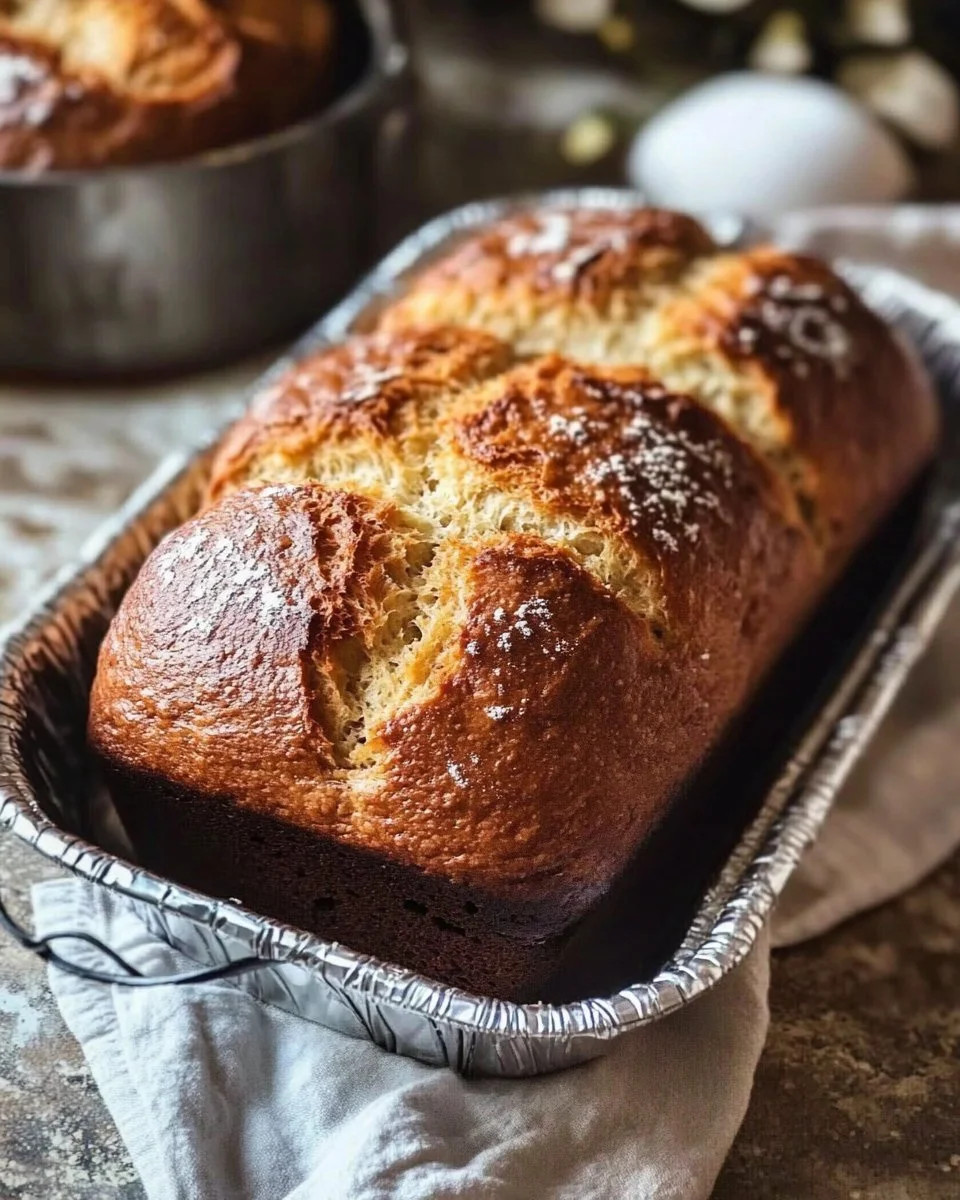
Homemade Church Loaves are more than just a simple bread recipe; they are a testament to the joy of baking at home. There’s something special about watching a dough rise and transform into a beautifully golden loaf, filling your kitchen with a warm and inviting aroma. Whether you are preparing for a church service, a family gathering, or just want to enjoy some freshly baked bread, this recipe is a must-try. It’s easy enough for beginners, yet rewarding for seasoned bakers!
What Makes This Recipe Stand Out
This recipe for Homemade Church Loaves is great for several reasons. Firstly, it’s incredibly easy to follow, making it perfect for novice bakers. With just a handful of ingredients, you can create a delicious bread that tastes better than anything from the store. Secondly, it’s budget-friendly, allowing you to enjoy wholesome, handcrafted bread without breaking the bank. Lastly, the flavor and texture of homemade bread are unmatched, inviting you to take your time and enjoy the process of baking.
A Beginner’s Guide to the Cooking Process
Making Homemade Church Loaves involves a straightforward process that anyone can handle. Start by activating the yeast with warm water and a pinch of sugar, which creates that delightful rise in your dough. Once you mix in your dry ingredients and knead the dough, let it rise until it doubles in size. Shaping it into loaves is the fun part, and after a second rise, these beauties go into the oven. In less than an hour, you will have golden-brown loaves ready to enjoy!
Ingredients
- 4 cups all-purpose flour
- 1 cup sugar
- 1 package (2 1/4 teaspoons) active dry yeast
- 1 teaspoon salt
- 1 cup warm water
- 1/4 cup milk
- 1/4 cup butter, softened
- 2 large eggs
Each ingredient plays a vital role in creating the perfect loaf. The all-purpose flour provides structure, while sugar adds sweetness and helps with browning. Active dry yeast is crucial for that light, fluffy texture, and the eggs contribute richness and moisture. Together, these ingredients come together to create a delicious treat!
Step-by-Step Instructions
- In a large mixing bowl, combine warm water, yeast, and a pinch of sugar. Let it sit for about 5 minutes until bubbly. This step activates the yeast, which is essential for making the dough rise.
- Add the flour, sugar, salt, milk, butter, and eggs to the yeast mixture. Mix until a dough forms. Ensure that all ingredients are well combined.
- Knead the dough on a floured surface for about 5-7 minutes until smooth. This step develops the gluten, providing the bread with its structure.
- Place the dough in a greased bowl, cover with a cloth, and let it rise in a warm place for 1 hour, or until doubled in size. This is where the magic happens!
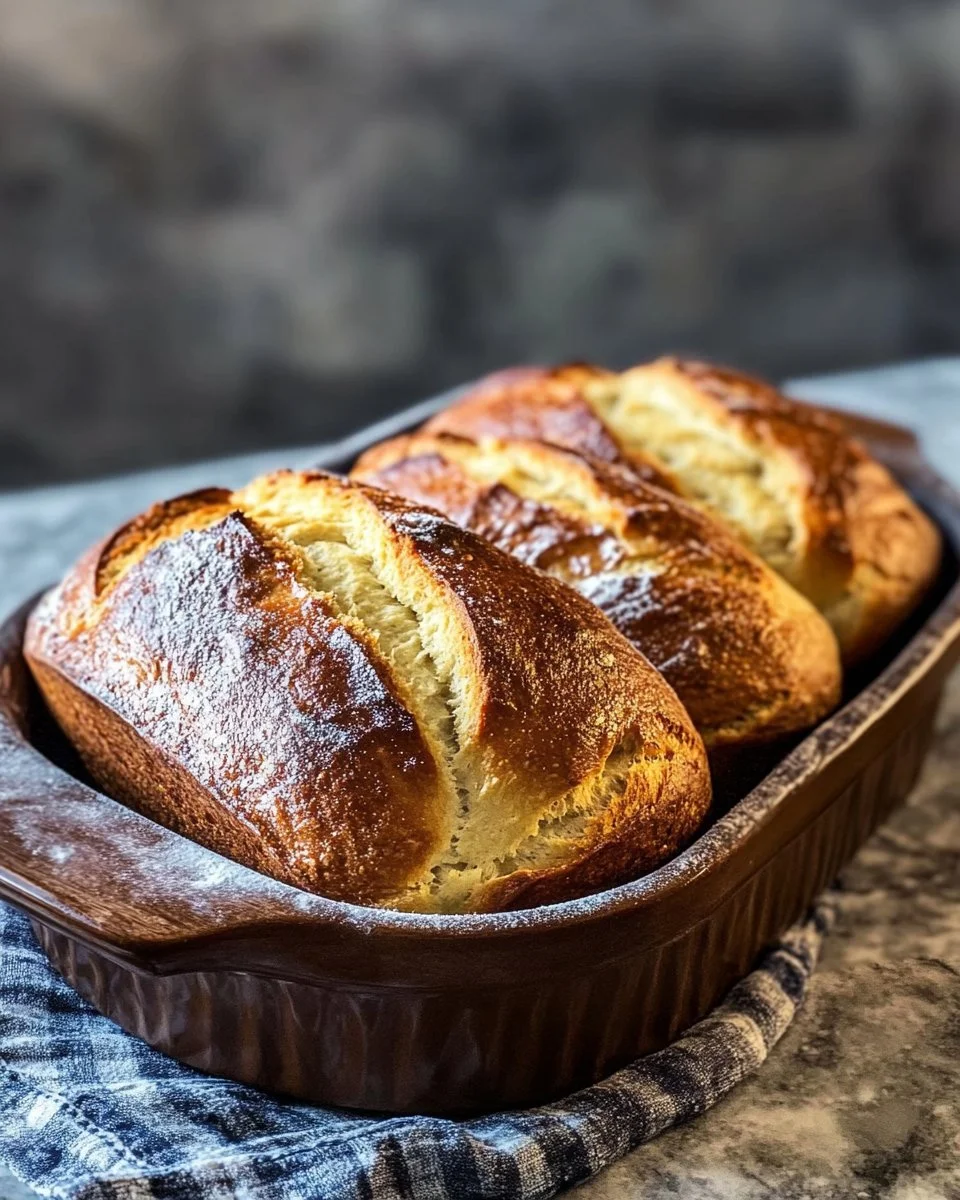
- Punch down the dough, divide it into 4 equal portions, shape into loaves, and place in greased loaf pans. Don’t be scared to give it a good punch – it helps release air bubbles.
- Let the loaves rise again for 30 minutes. This second rise will make your loaves light and fluffy.
- Preheat the oven to 350°F (175°C). Getting your oven ready while the dough rises optimizes baking.
- Bake for 25-30 minutes until golden brown. Keep an eye on them to ensure that they reach that perfect golden color.
- Remove from oven and let cool before serving. Allowing the bread to cool helps set its texture.
Creative Ways to Serve Your Bread
Homemade Church Loaves can be enjoyed in several delightful ways. Serve warm with a spread of butter and your favorite jam for a simple yet satisfying breakfast. Pair it with soups or salads for a wholesome lunch or dinner option. You can even use it to create sandwiches filled with hearty ingredients. For special occasions, consider using these loaves as part of a charcuterie board, adorned with cheeses, meats, and fresh fruit.
How to Store and Reheat Your Loaves
Proper storage is key to maintaining the freshness of your Homemade Church Loaves. If you have leftovers, allow them to cool completely, then wrap them tightly in plastic wrap or foil. Store them at room temperature if you plan to eat them within a couple of days. For longer storage, consider placing the wrapped loaves in an airtight container in the freezer; they can last for up to three months.
When you’re ready to enjoy your bread again, simply take it out of the freezer and let it thaw at room temperature. To reheat, preheat your oven to 350°F (175°C), and place the loaf in for about 10-15 minutes or until warmed through. This will help to restore that fresh-baked taste.
Essential Baking Tips for Success
Here are some practical tips to ensure your homemade bread turns out perfectly every time:
- Measure Accurately: Using the right measurements is crucial in bread making. Consider investing in a kitchen scale for precise measurements.
- Monitor Yeast Activity: The water used for activating yeast should be warm, not hot. Hot water can kill the yeast, leading to flat bread!
- Do Not Skip Kneading: Proper kneading enhances gluten development, resulting in a better texture.
- Be Patient with Rising: Letting the dough rise fully is essential for texture; resist the urge to skip this step.
- Check for Doneness: Tap the bottom of the loaf; if it sounds hollow, it’s done!
Possible Variations to Try
Feel free to get creative with your Homemade Church Loaves! Here are some enjoyable variations:
- Add Herbs: Incorporate herbs like rosemary or thyme into the dough for a flavor twist.
- Cheese Enhancements: Fold in shredded cheese, such as cheddar or mozzarella, for a cheesy delight.
- Nutty Additions: Add walnuts or pecans for a crunchy texture and nutty flavor.
- Sweet Loaf: Add a touch of cinnamon and raisins for a sweet breakfast option.
Frequently Asked Questions
1. Can I use whole wheat flour instead of all-purpose flour?
Yes, you can substitute a portion of the all-purpose flour with whole wheat flour, but it may affect the texture and rise slightly.
2. What happens if my dough doesn’t rise?
This could be due to inactive yeast. Make sure your yeast is fresh, and the water temperature is ideal.
3. How can I make the bread sweeter?
Increase the sugar by a few tablespoons for a sweeter loaf, or consider adding honey or maple syrup.
4. Can I use a bread machine for this recipe?
Absolutely! Follow the manufacturer’s instructions, and you can use this recipe with a bread machine.
5. How long does the bread last?
The loaves last about 3-4 days at room temperature, and up to three months in the freezer.