
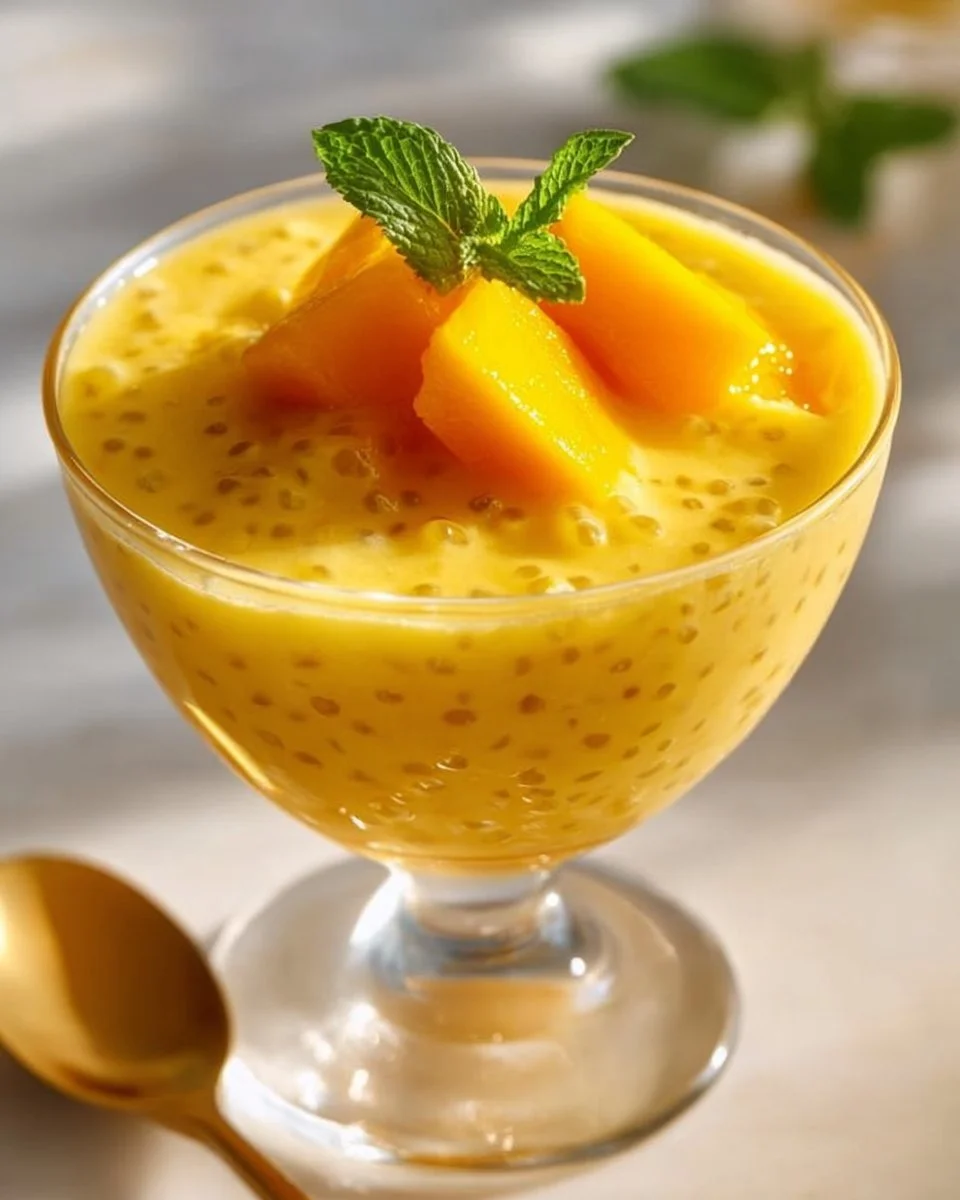
Mango Sago is a delightful dessert that will transport your taste buds straight to a tropical paradise. With its creamy coconut milk base, sweet ripe mangoes, and chewy tapioca pearls, this dish offers a refreshing treat that’s perfect for warm weather. Whether you’re serving it at a family gathering, a summer barbecue, or simply as a sweet surprise for yourself, Mango Sago is incredibly satisfying and easy to make. In this article, I’ll guide you step-by-step on how to create this luscious dessert that is not only visually appealing but bursting with flavor.
What Makes This Recipe So Good
This Mango Sago recipe is not just delicious; it’s also easy to whip up, making it perfect for both novice and experienced cooks. The ingredients are simple and widely available, which keeps the preparation budget-friendly. It requires minimal cooking time and delivers maximum flavor, allowing you to impress your guests without spending all day in the kitchen. Furthermore, you can prepare it in advance, making it an excellent choice for entertaining.
Overview of the Cooking Process
Creating Mango Sago is a straightforward process that involves a few key steps. First, you’ll soak and cook the tapioca sago pearls until they are tender and translucent. In parallel, ripe mangoes are blended into a creamy puree. After mixing everyone together with coconut milk and a touch of sugar, you let the mixture chill in the refrigerator. The final result is a heavenly dessert bursting with tropical flavors and a pleasing texture. Let’s dive into the details!
Ingredients
Prep Time: 30 minutes
Cook Time: 20 minutes
Total Time: 50 minutes
Servings: 4
- 2 ripe mangos
- 1 cup tapioca sago pearls
- 2 cups coconut milk
- 1/4 cup sugar (optional)
- Pinch of salt

The key ingredients in this recipe include ripe mangos, which provide natural sweetness and flavor, and tapioca sago pearls, which give the dish its unique texture. Coconut milk adds a smooth creaminess that perfectly complements the fruit. If you’re watching your sugar intake, feel free to adjust or omit the sugar without compromising the overall taste.
Step-by-Step Instructions
Ready to make your own Mango Sago? Follow these simple steps:
- Soak the sago pearls: Start by soaking the sago pearls in water for about 30 minutes. This helps them soften before cooking. Once soaked, drain the excess water.
- Cook the sago pearls: In a pot, bring water to a boil and add the drained sago pearls. Cook according to package instructions, typically for about 15-20 minutes, stirring occasionally. You want the pearls to turn transparent and chewy.
- Rinse the pearls: Once cooked, drain the sago pearls again and rinse them under cold water to stop the cooking process and remove any excess starch.
- Blend the mangos: In a separate bowl, blend the ripe mangos until smooth. This will become the fruity component of your dessert.
- Mix everything together: In a large mixing bowl, combine the cooked sago pearls, coconut milk, blended mango, optional sugar, and a pinch of salt. Stir until everything is well mixed and creamy.
- Chill: Cover the mixing bowl and place it in the refrigerator for at least 30 minutes. Chilling allows the flavors to meld together beautifully.
- Serve: When you’re ready to enjoy, serve the Mango Sago in individual bowls. You can garnish with fresh mango pieces or mint leaves for a nice touch.
Tip: To achieve the perfect texture, be careful not to overcook the sago pearls; they should be chewy but not mushy.
Creative Serving Suggestions
Mango Sago is incredibly versatile when it comes to serving options. You can serve it as a refreshing dessert after a hearty meal, or as a sweet snack during the day. Here are a few ideas:
- Add toppings: Top each serving with additional mango chunks, a sprinkle of toasted coconut, or a drizzle of sweetened condensed milk for extra richness.
- Pair it with drinks: This dessert pairs wonderfully with a glass of chilled coconut water or a fruity tropical smoothie.
- Occasions for serving: Mango Sago is perfect for summer picnics, beach parties, or casual family dinners. It’s also a hit at Asian-themed gatherings!
How to Store and Reheat
If you have leftovers (though they might not last long!), you can store Mango Sago in an airtight container in the refrigerator for up to 3 days. To ensure the best texture, it’s best enjoyed chilled rather than reheated.
For longer storage, you may consider freezing the dessert. However, keep in mind that the texture of the sago pearls might change once frozen and thawed. Simply place the dessert in a freezer-safe container, and you can freeze it for up to 1 month. When ready to enjoy, transfer it to the refrigerator and let it thaw overnight.
Essential Cooking Tips for Success
Here are some pro tips to help you perfect your Mango Sago:
- Select the right mangos: For the best flavor, opt for ripe, sweet mangos. Look for ones that feel slightly soft when gently squeezed.
- Don’t rush the soaking: The soaking step for the sago pearls is crucial for the right final texture, so don’t skip it.
- Test the cooking time: Different brands of sago pearls may have different cooking times. Start checking for doneness at about 15 minutes.
Delicious Variations to Consider
If you want to mix things up, consider these fun variations of Mango Sago:
- Added fruits: Incorporate other fruits like diced kiwi, strawberries, or pineapple for vibrant color and flavor.
- Different milks: If you’re dairy-free, you can use almond or soy milk instead of coconut milk for a different taste.
- Sweeteners: Experiment with honey or maple syrup instead of sugar for a natural sweetening alternative.
Common Questions About Mango Sago
1. Can I make this dessert ahead of time?
Yes, Mango Sago can be prepared in advance and stored in the refrigerator. It’s best served chilled.
2. Is it possible to use frozen mangos?
Absolutely! If fresh mangos aren’t available, frozen mangos can work well. Just ensure to thaw them before blending.
3. How do I adjust the sweetness?
Feel free to adjust the amount of sugar to suit your taste. Taste the mixture before chilling and add more if needed.
4. Can I use another type of fruit?
While mango is traditional, you can experiment with other fruits to find your favorite flavor combinations.
5. What’s the best way to serve leftovers?
Leftovers are best served cold from the refrigerator. You can add a splash of coconut milk to refresh the texture if needed.